Life and Fire Safety in Palo Alto, California
Life and fire safety messages and outreach materials for Palo Alto, California.

Site Navigation Breadcrumbs | Fire Prevention and Life Safety in Palo Alto, California
Life and fire safety messages and outreach materials for Palo Alto, California.
The invention of fire protection systems, was to help save lives and property from damage of fires. However we also can make personal efforts, positive changes, teach our children, take action to reduce injuries and save lives here in Palo Alto, California.
Below we provide free outreach materials, training guides and much more provided with the help of USFA, FEMA, Ready. gov and OSHA
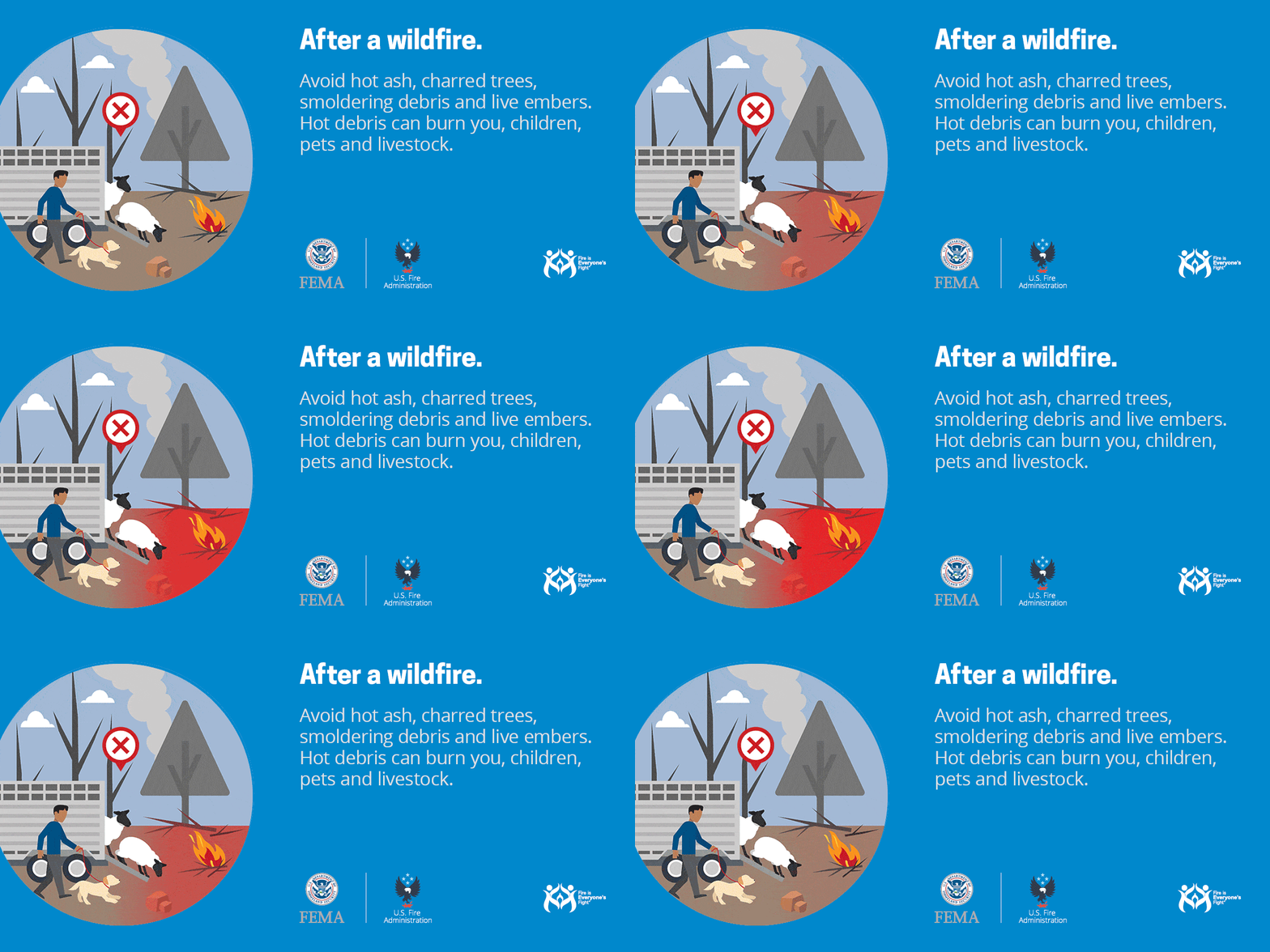
Learn more about fire safety, prevention and life safety in Palo Alto, California, including the dangers of wildfires and the wildland urban interface (WUI).
What is the wildland urban interface (WUI), how it affects your community and how it can affect your property in Palo Alto, California.
Discover why fire sprinkler and smoke alarms work, and how we should use them in Palo Alto, California.
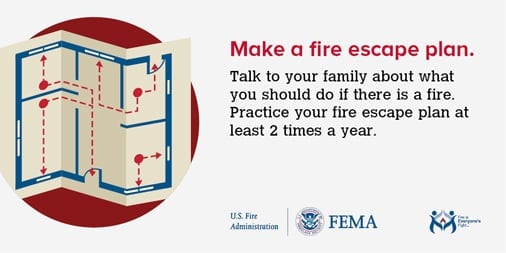
Reduce injury or death from fire, by teaching the basic facts. Fire is hot and fast. Smoke is dark and CO₂ is poisonous and deadly.
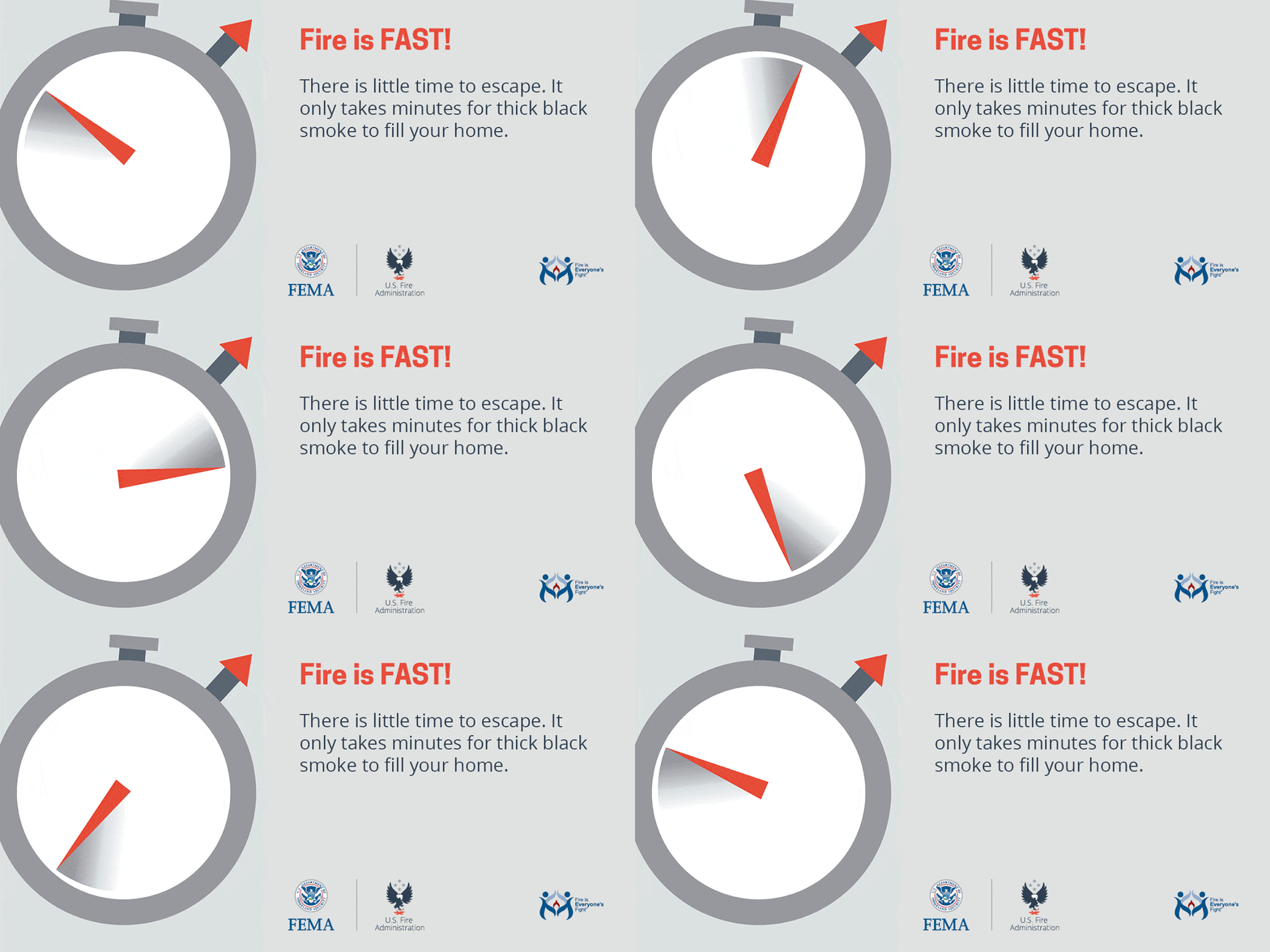
With modern lightweight construction and open space configurations, occupants may have less than 2 minutes to escape, once the smoke alarm sounds, USFA.
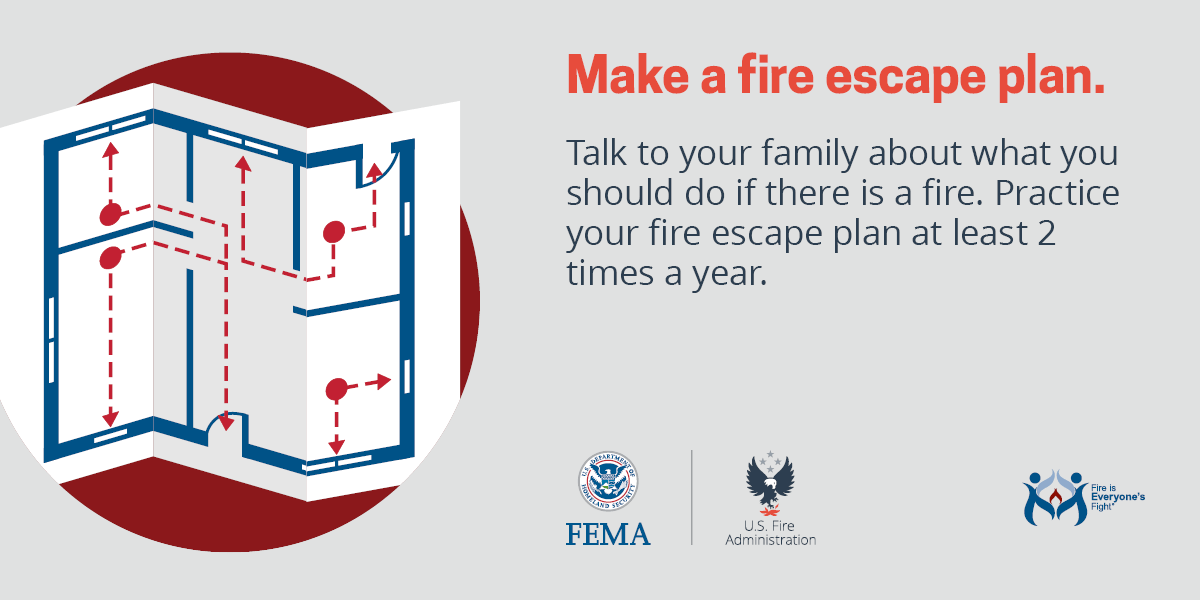
Teach children fire is hot, smoke is dangerous, alarms BEEP!, use stairs, stay low to ground when exiting, get outside, stay out and how to call 911, USFA.
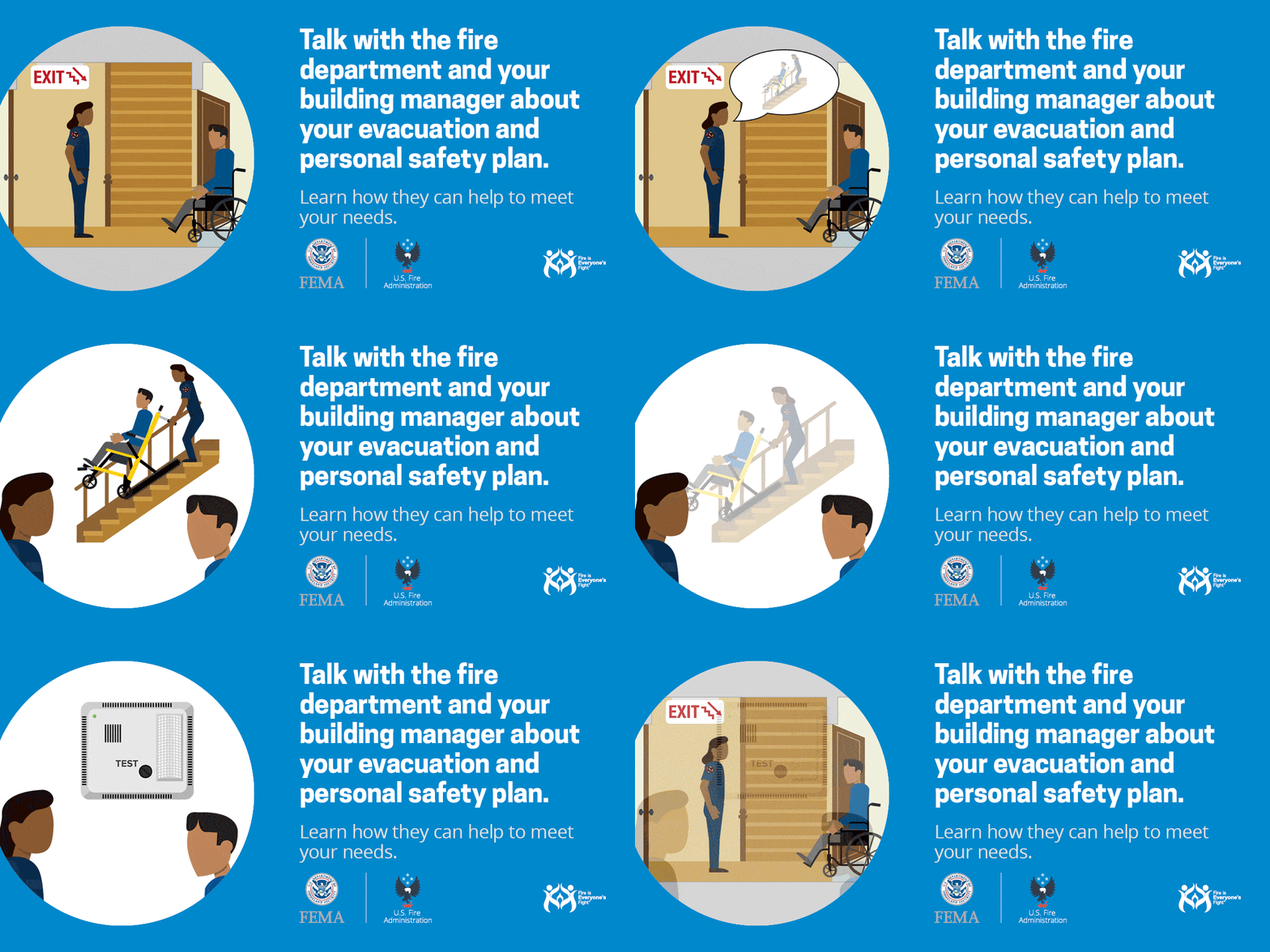
The fire service helps people with disabilities, understand risk and create fire prevention plans around their abilities.
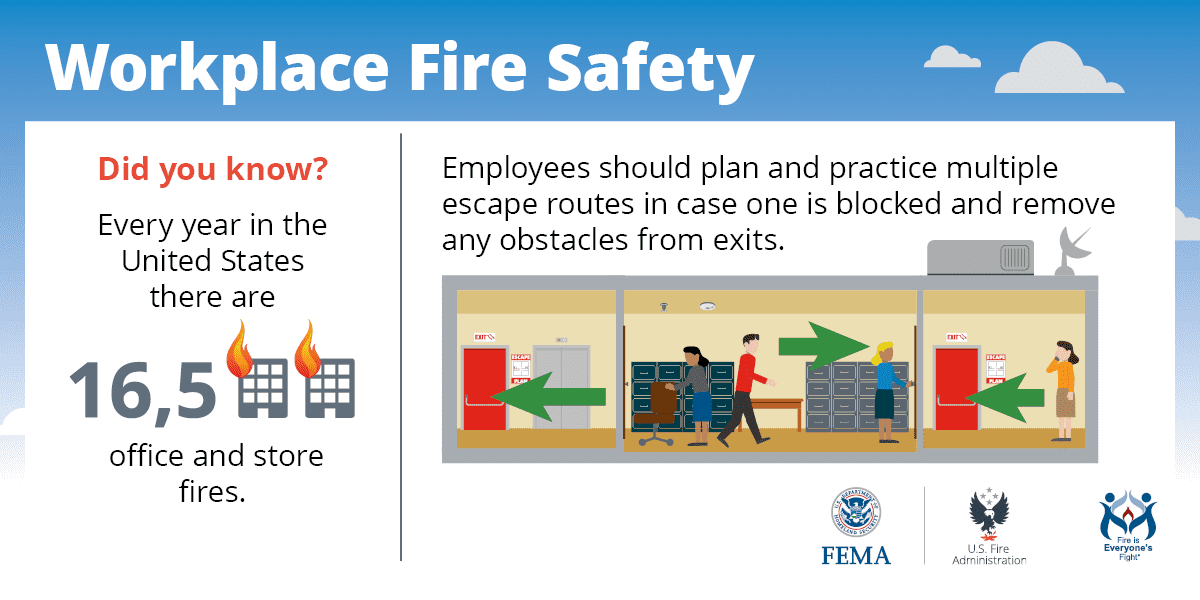
In addition to potential deaths and property loss, people may lose their jobs and the community may lose a vital service provided by the businesses, USFA.
There were 16,500 office and store fires in the United States in 2020 that caused $932 million in direct property damage.
A fire in an office or store can be devastating to your community.
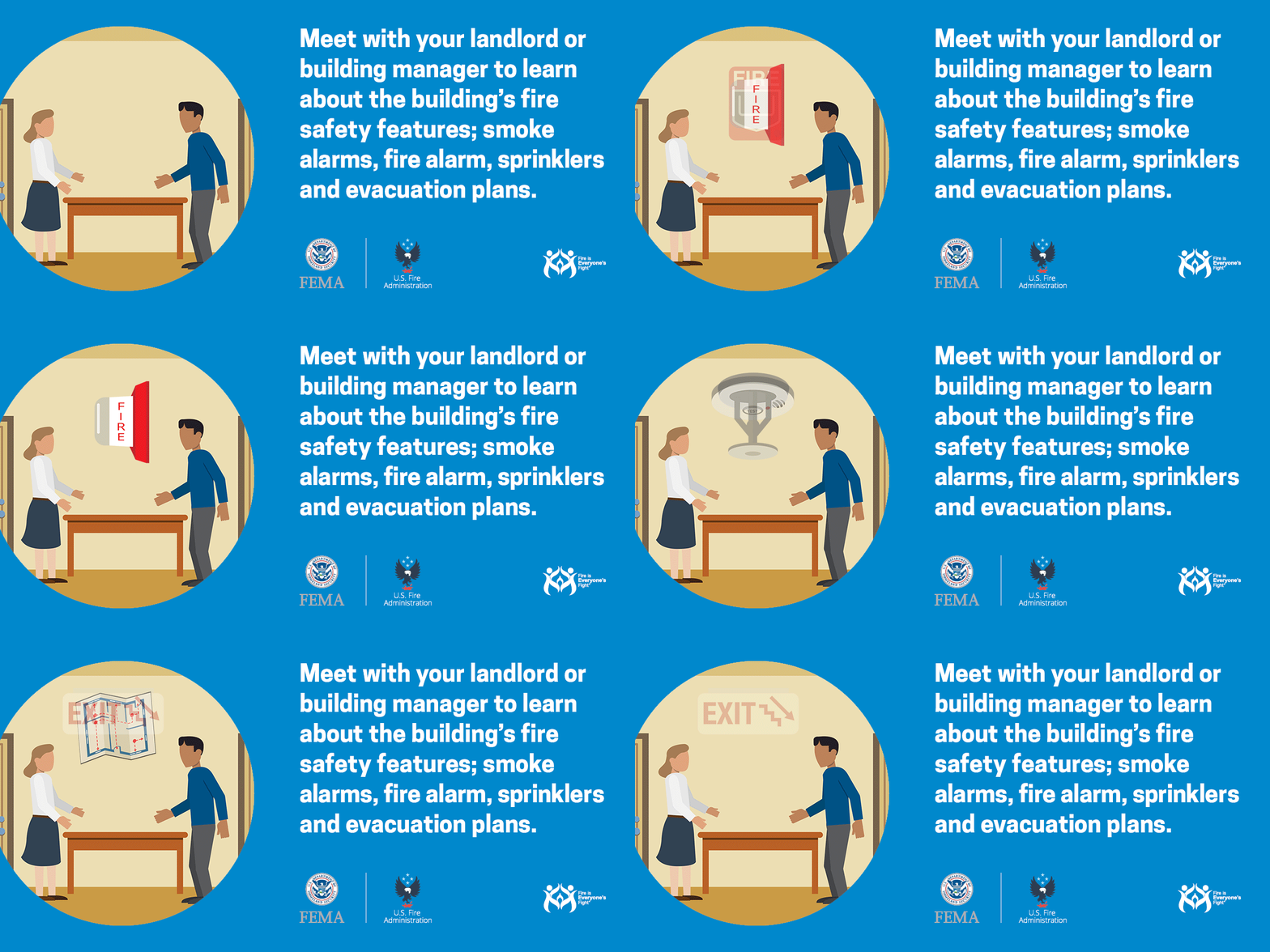
Occupied floors located high above the ground present many serious challenges for fire and life safety.
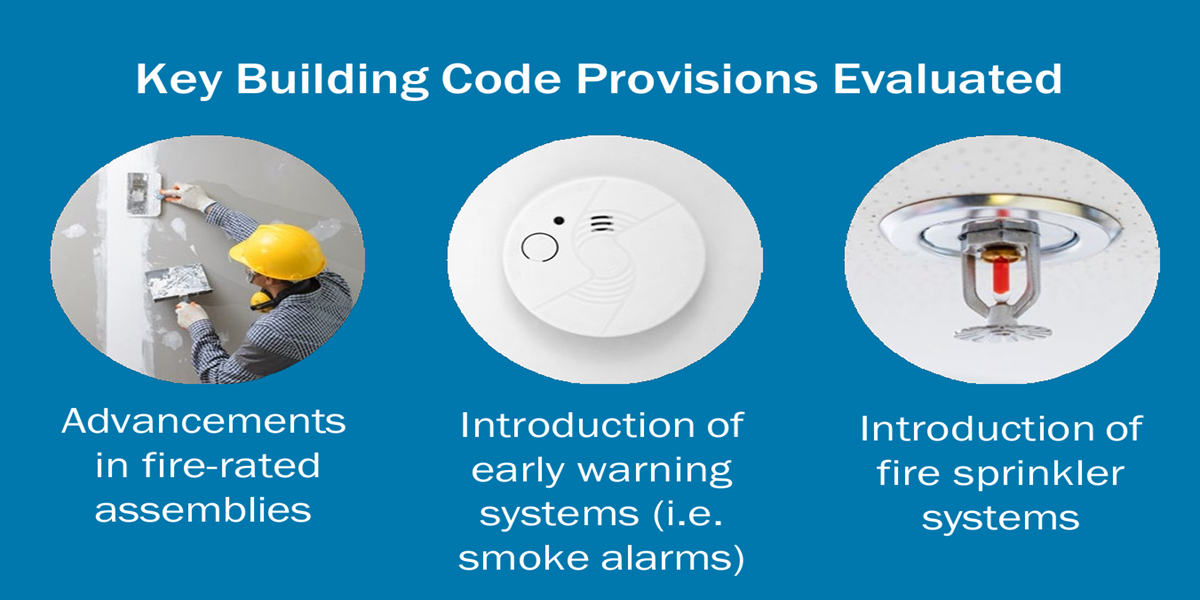
Buildings with engineered, lightweight structural systems, such as lightweight wood trusses, are susceptible to sudden and early collapse, USFA.
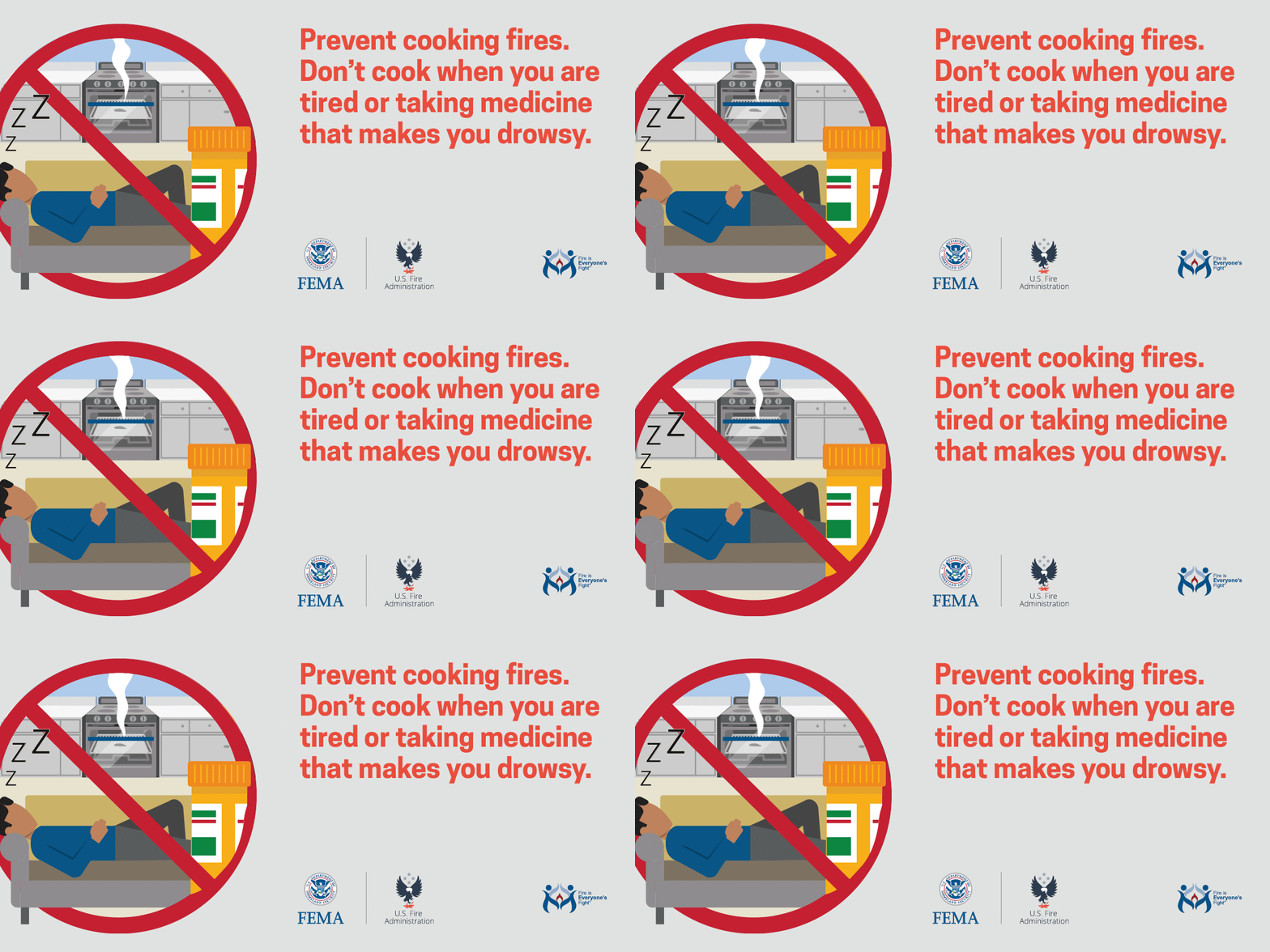
Cooking is, by far, the leading cause of home fires and home fire injuries, USFA.
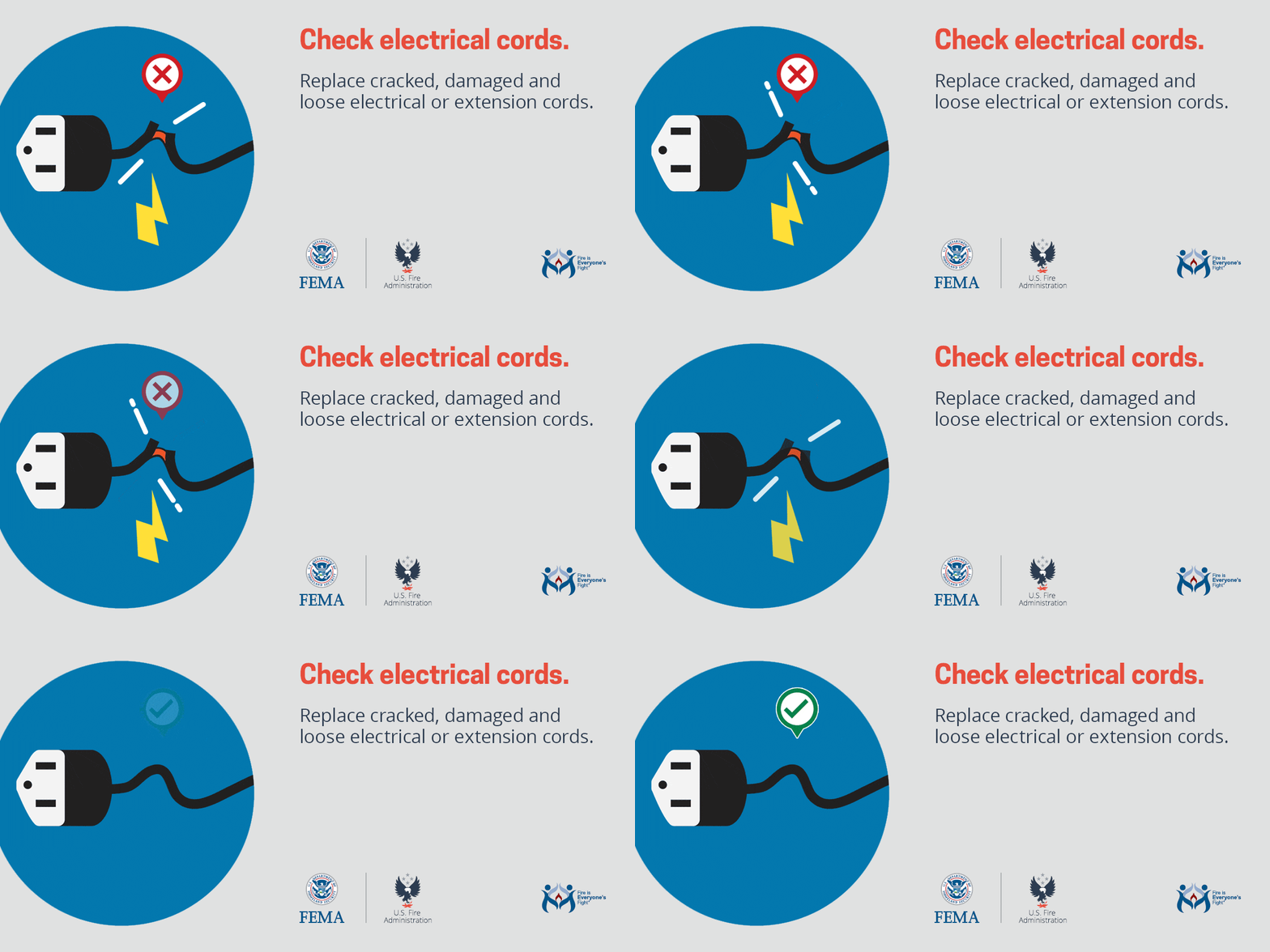
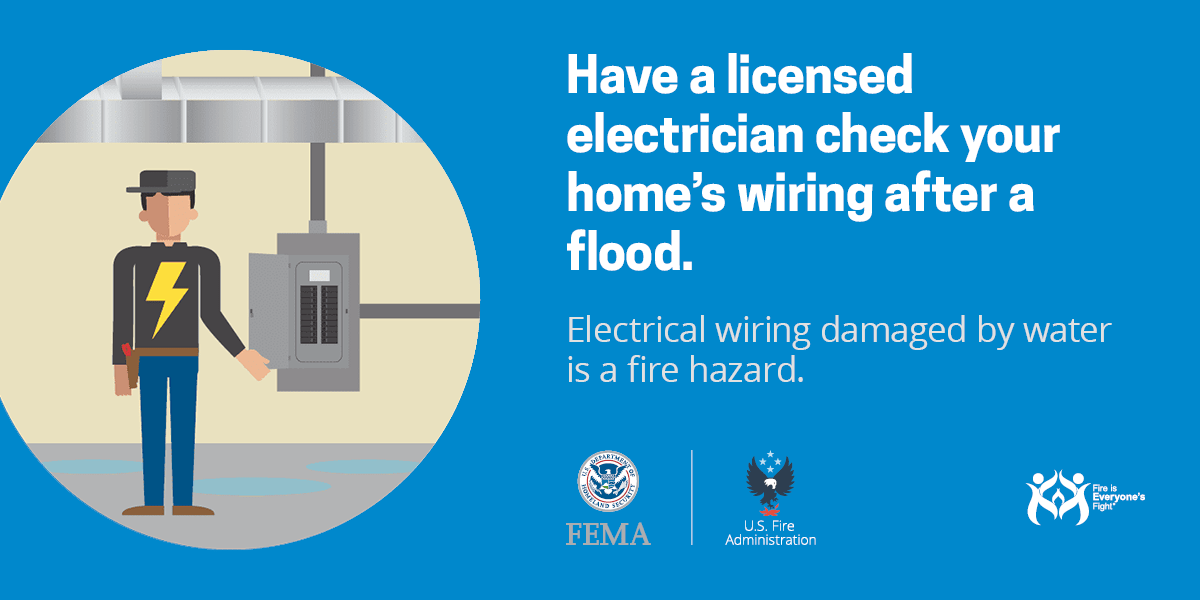
Electrical malfunction is a leading cause of home fires year after year, USFA.
47,🔥🔥🔥
There are approximately 47,000 home electrical fires each year.
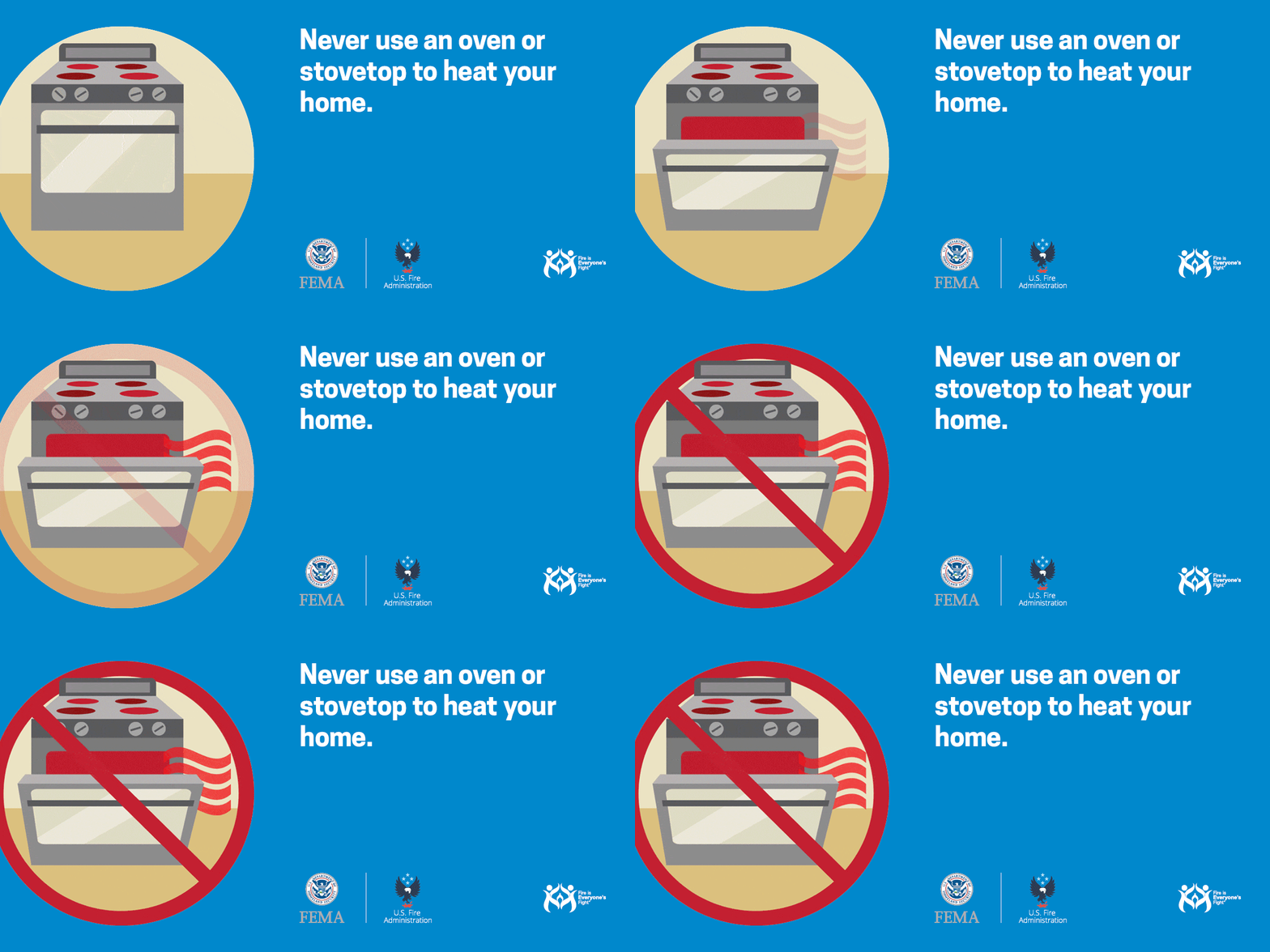
Heating fires remained the second leading cause of home fires, USFA.
Home portable heater fires were only 3% of all home heating fires annually for 2017-2019, but they accounted for 41% of fatal heating fires in homes.
Home fires occur more in the winter months than any other time of the year.
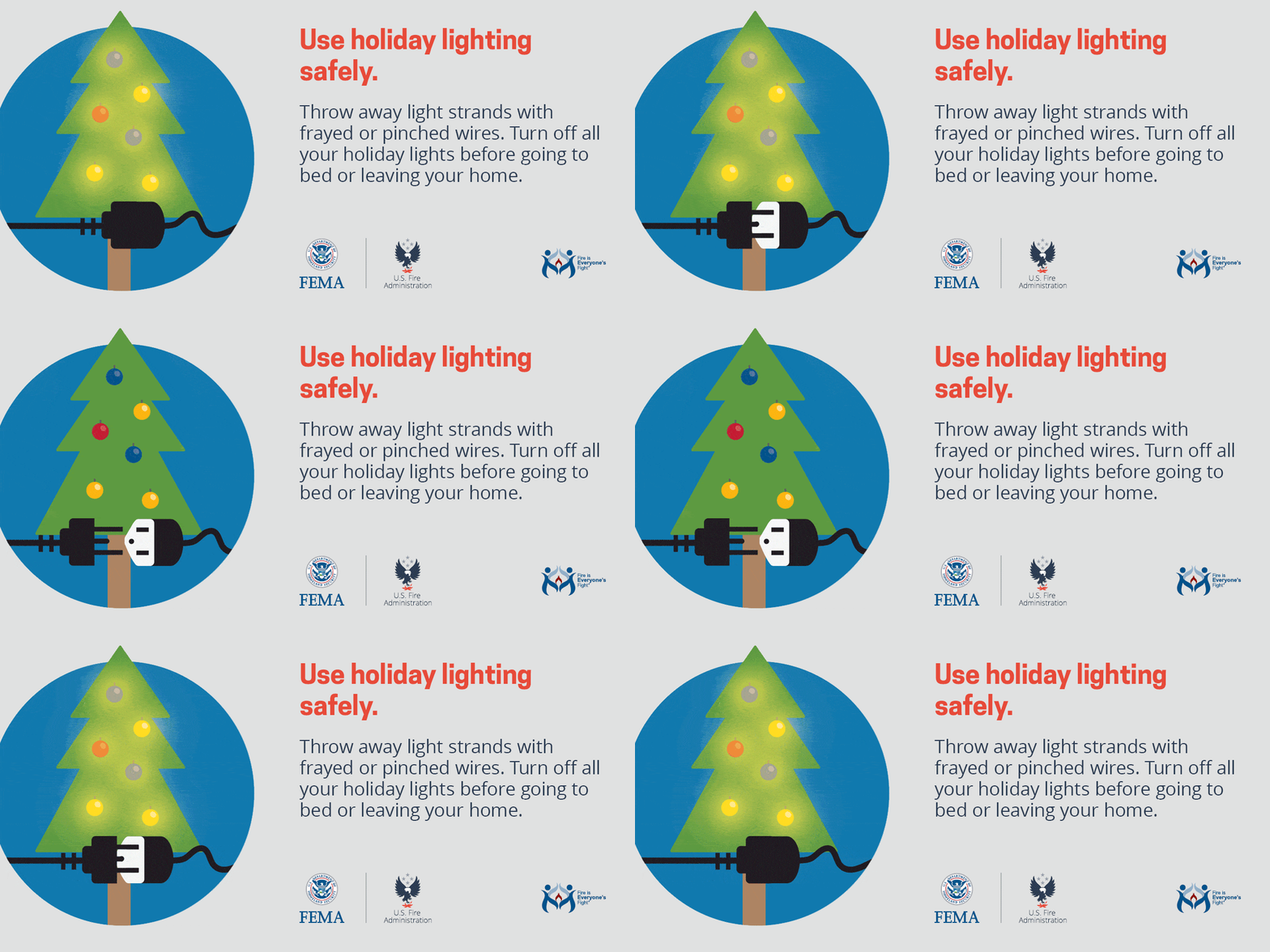
Decorations may increase your community's chances of a fire, USFA.
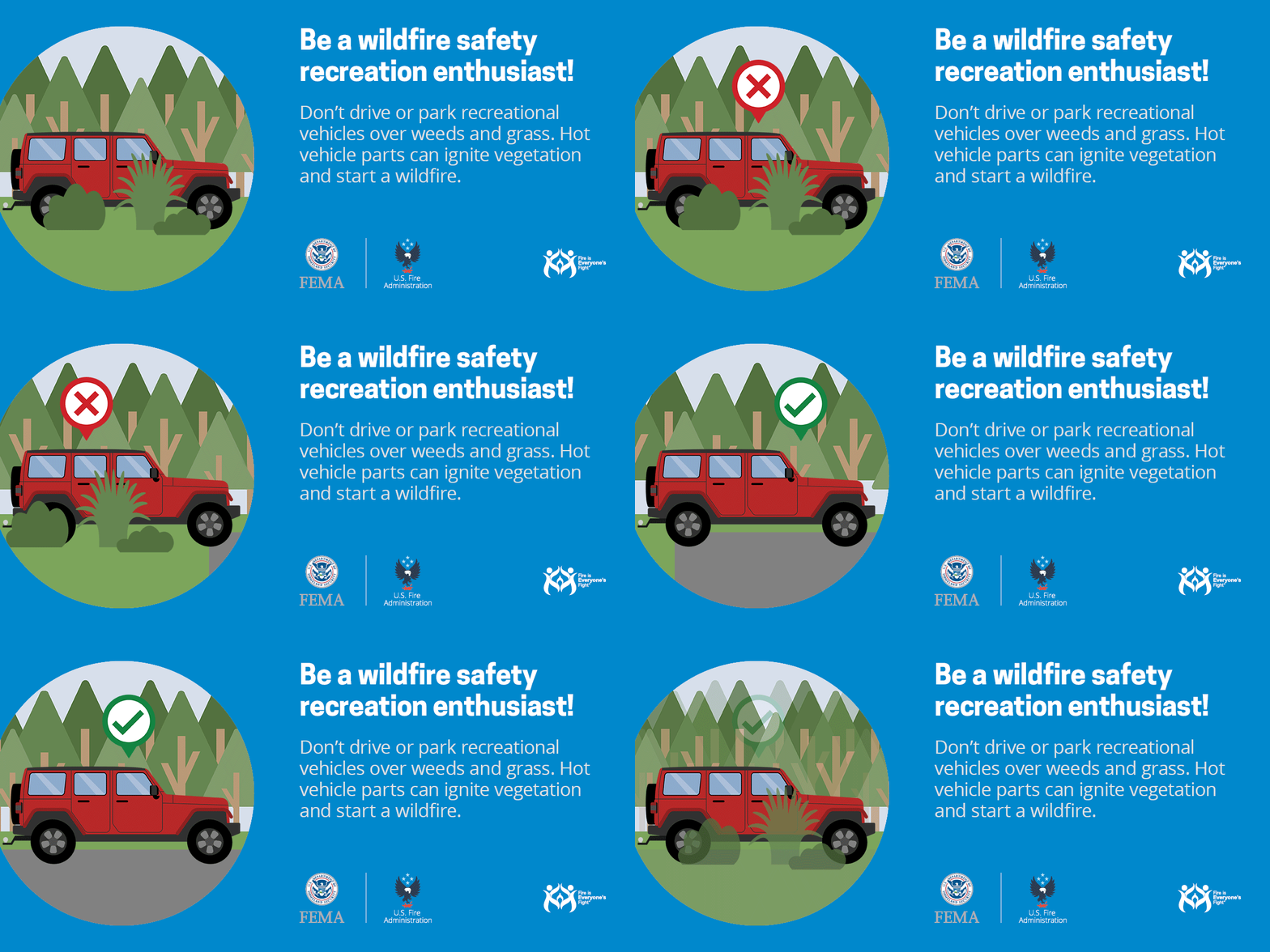
Don't drive or park recreational vehicles over weeds and grass, USFA.
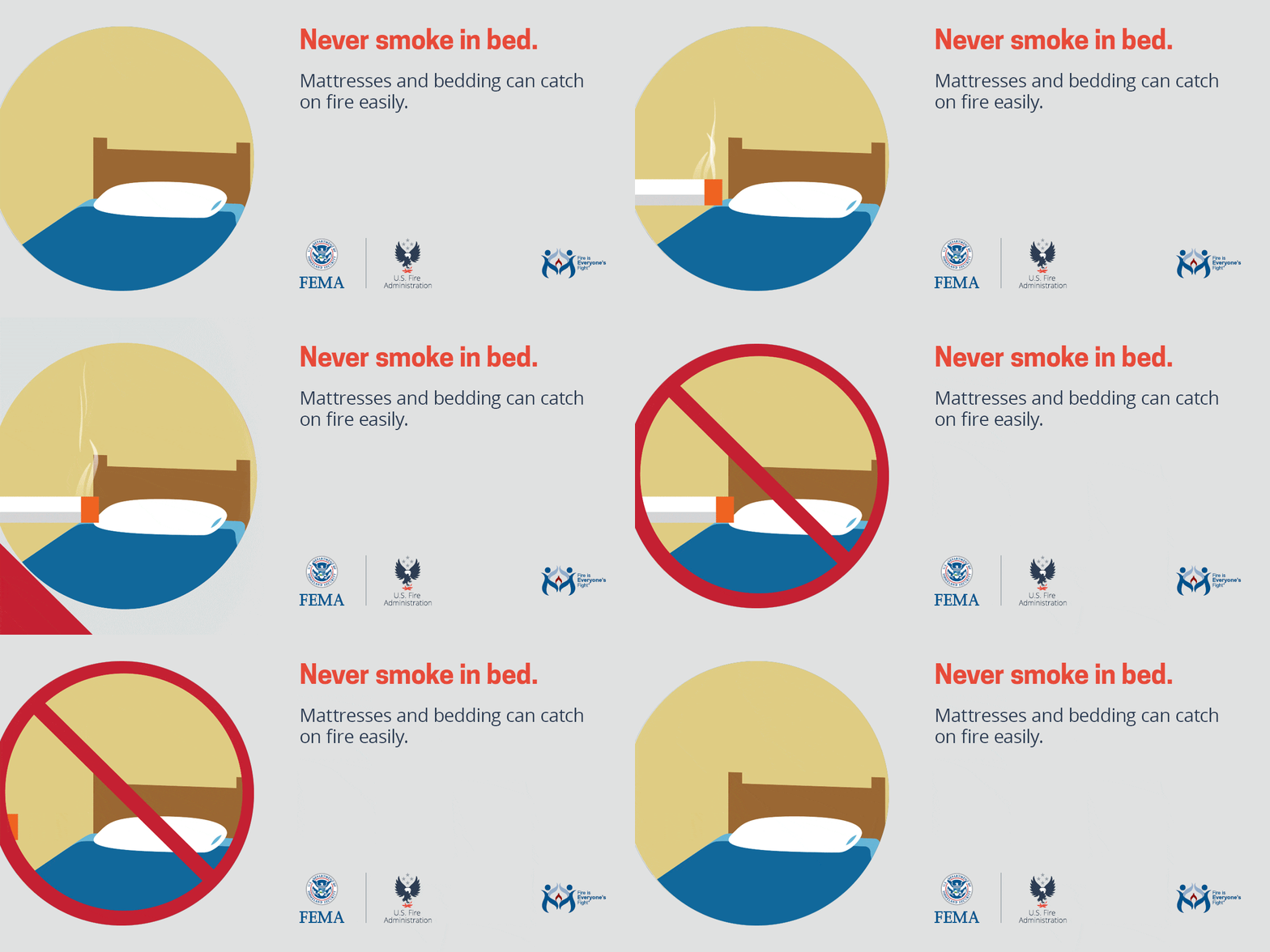
Never smoke in bed, mattresses and bedding can catch fire easily. Never smoke around oxygen, O₂ rich environments make fires burn hotter and faster, no sparks or open flame, USFA.
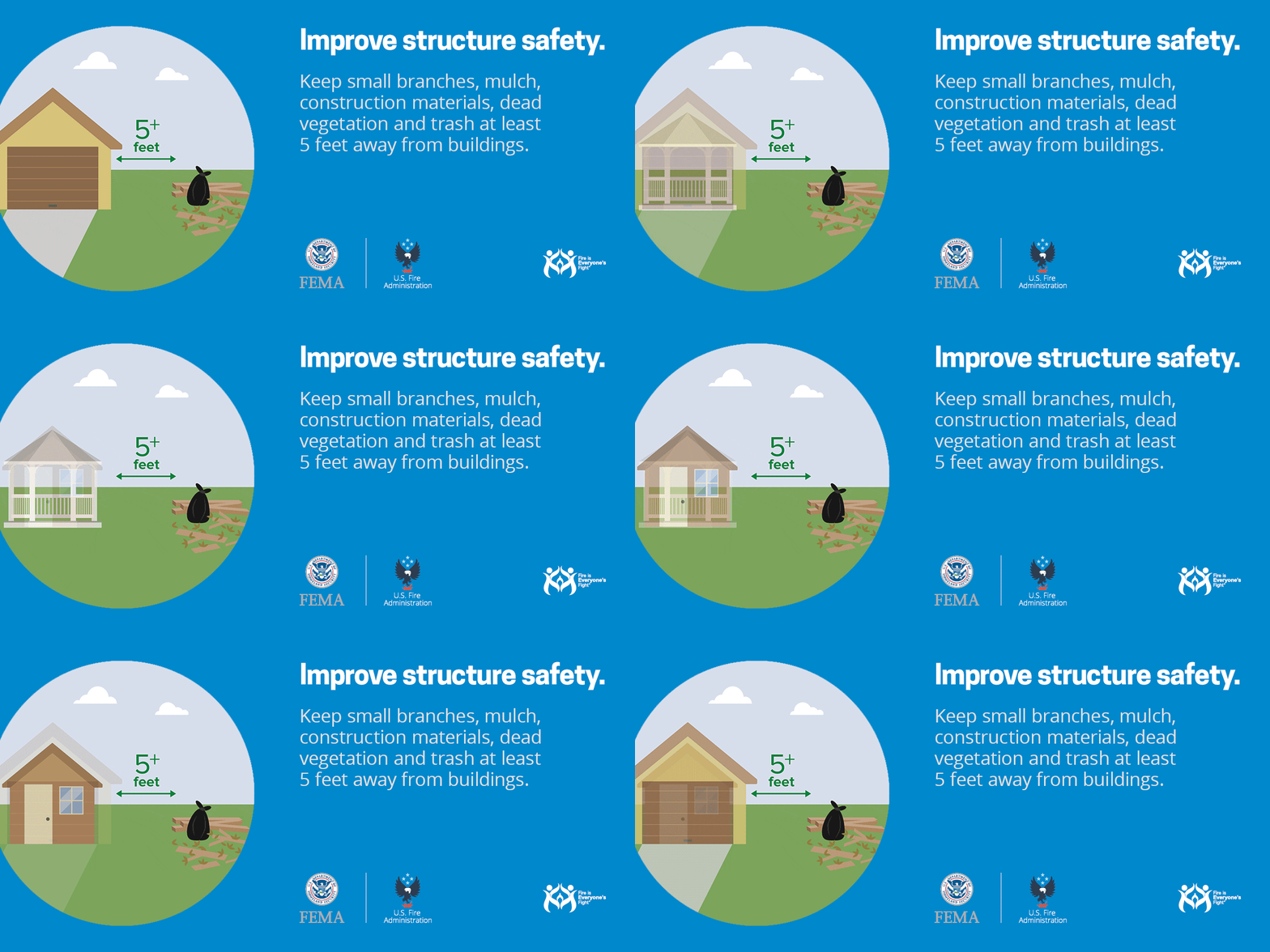
Unintentional actions are the leading cause of outside fires, USFA.
Community residents need to keep fire safety in mind, when enjoying summer vacations, camping, family reunions, grilling and the Fourth of July.
Protect people, pets and property from wildfire, USFA.
Following these tips, along with making improvements to the landscape surrounding your home, can help reduce your wildfire risk.
Keep these tips in mind as you and your family enjoy summer vacations, camping, family reunions, picnics and the Fourth of July.
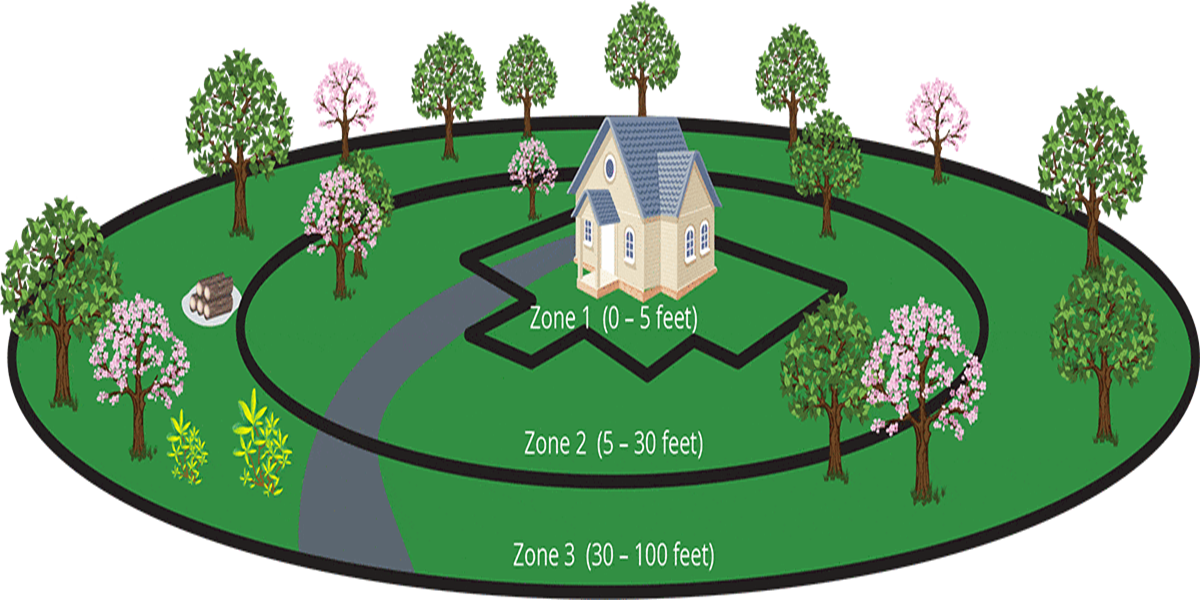
The WUI is the zone of transition between unoccupied land and human development.
It is the line where structures and development meet with undeveloped wildland vegetative fuels.
Wildland Urban Interface (WUI) Fire Property Awareness Explorer.
Link provided below:
WUI Fire Community Awareness Explorer.
Link provided below:
Download the FEMA Mobile App
Link provided below:
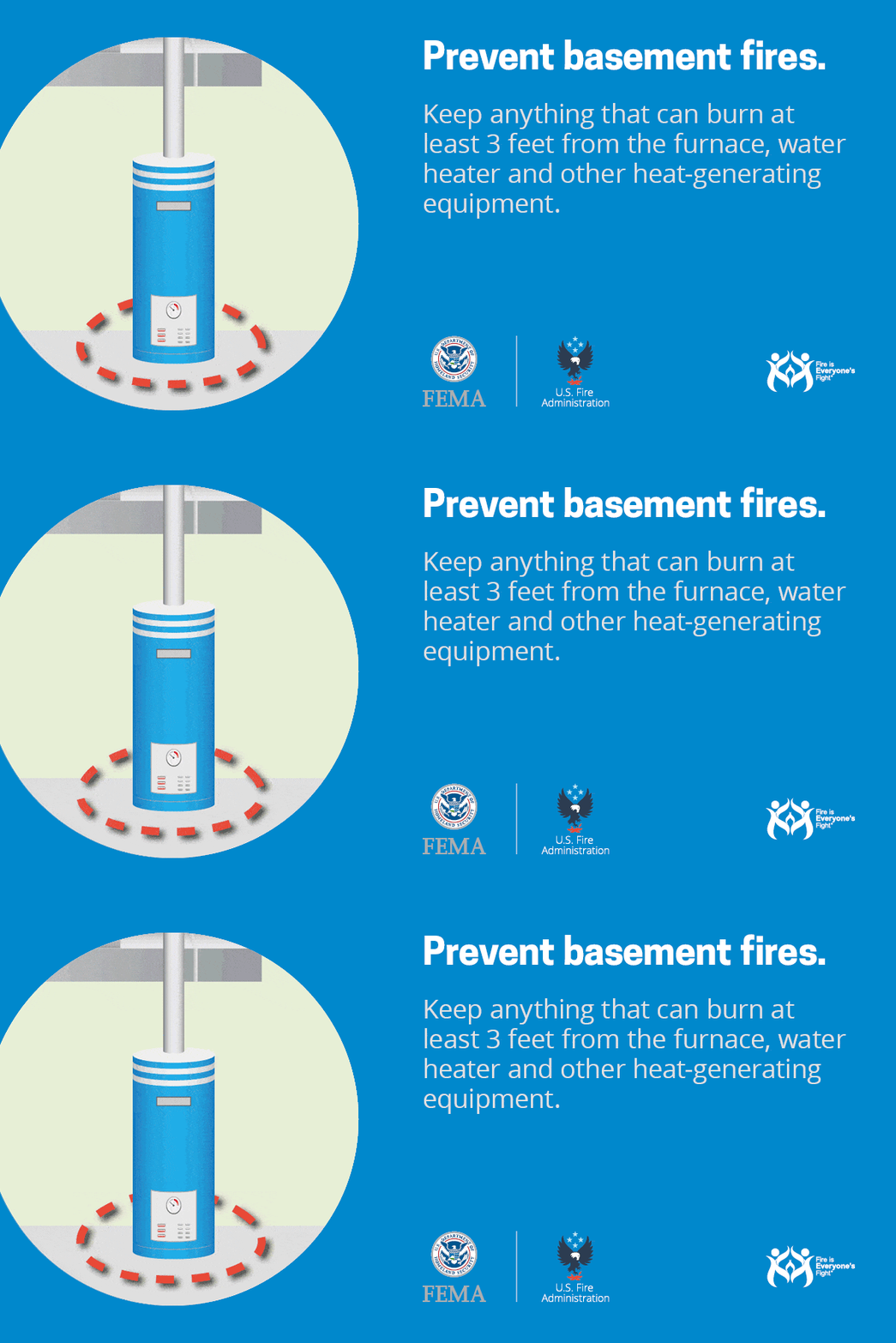
Basements and garages present additional fire safety risks compared to other home areas, flammable liquids, storage of combustibles, gas appliances and electrical tools can lead to fires.
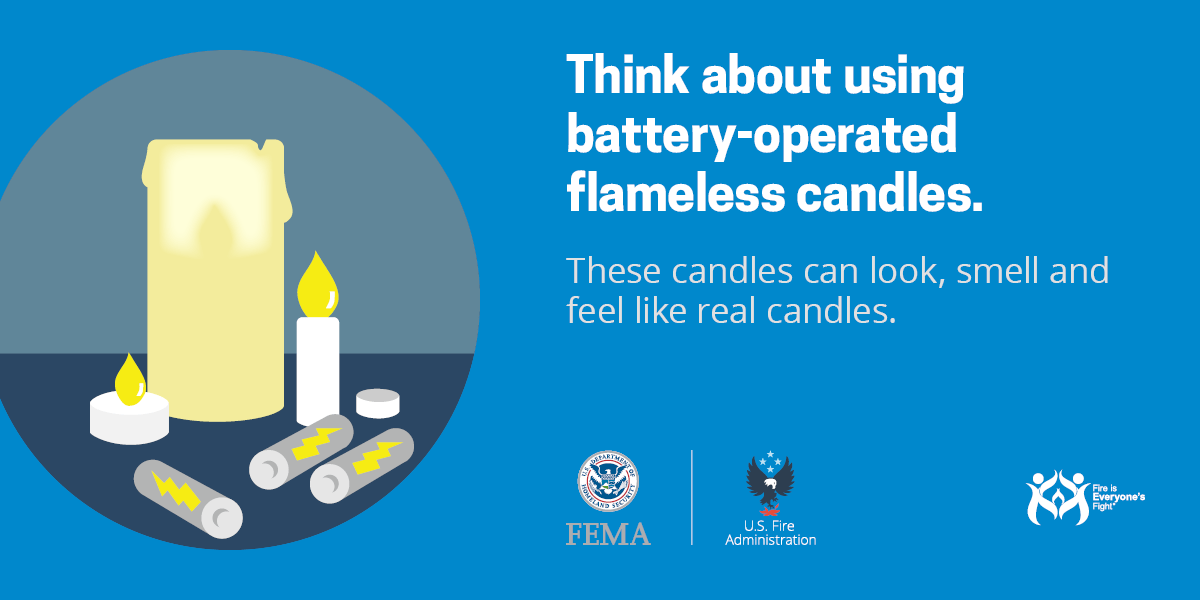
Candles are a part of many celebrations, but open flames make them dangerous if they tip over or when they are placed too close to anything that can burn, USFA.
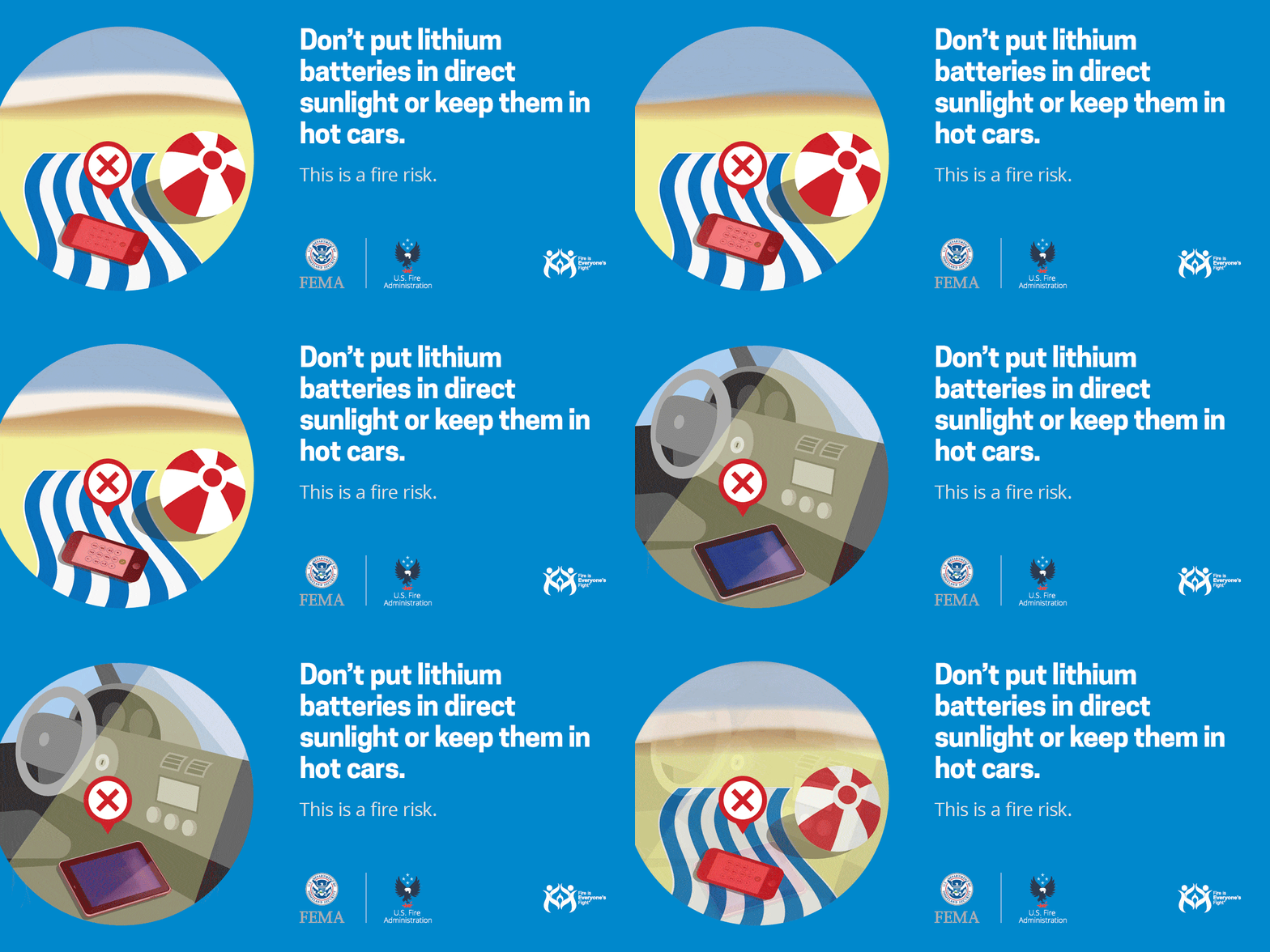
Lithium-ion batteries and other types of batteries present fire dangers if community residents don't follow product instructions when using, charging, storing or disposing of them, USFA.
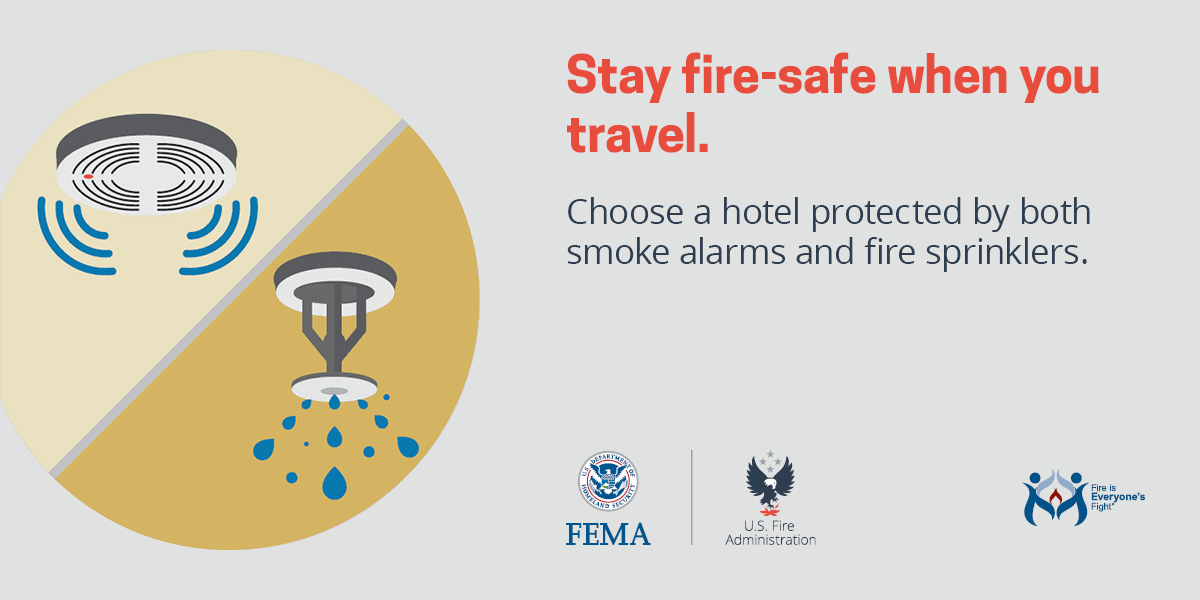
Stay in hotels and motels that have hard-wired smoke alarms. Automatic fire sprinkler system in each guest room.
Hotel Motel National Master List
Link provided below:
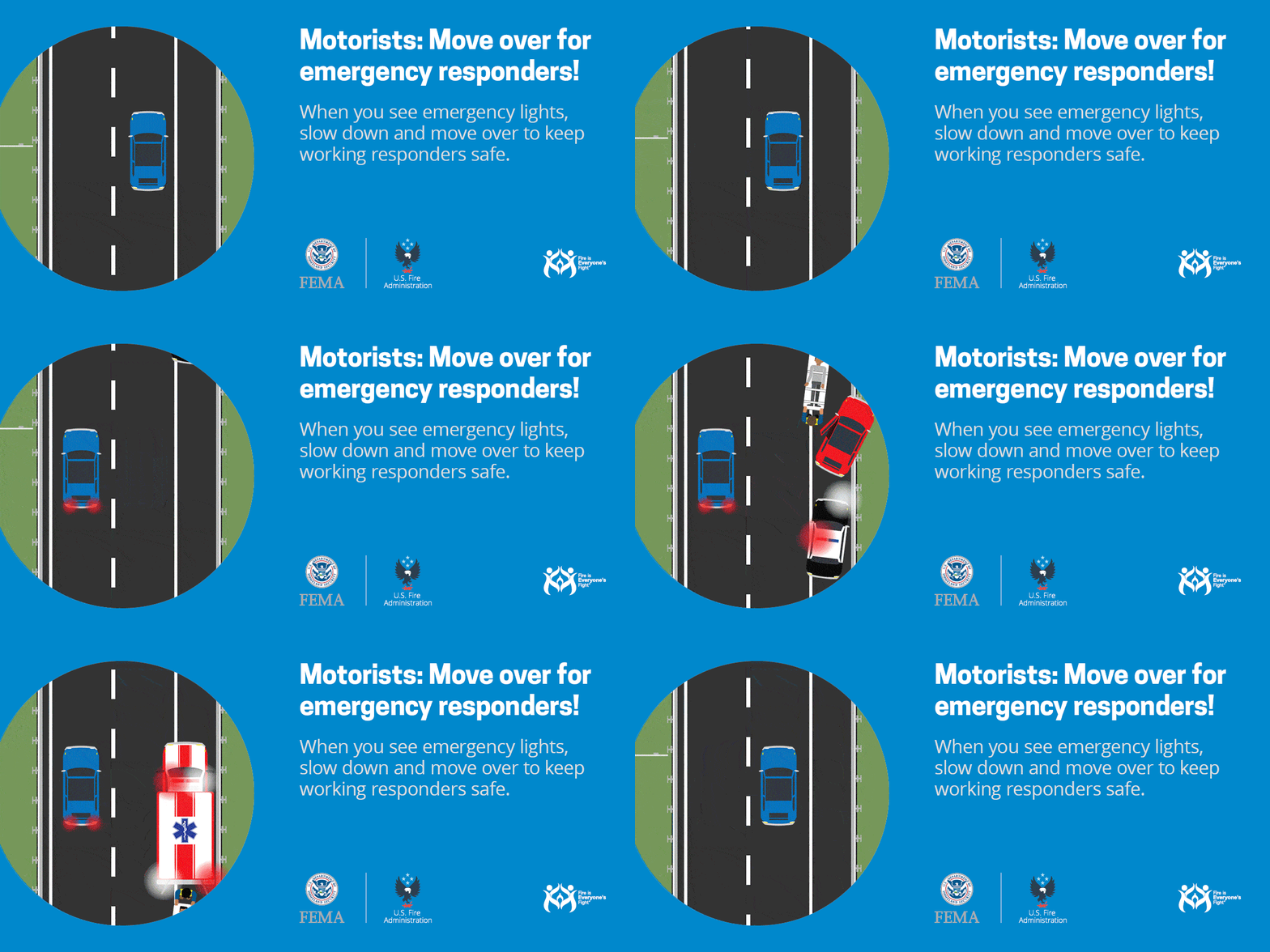
It's important to act quickly if a vehicle catches fire. Burning vehicles can quickly trap occupants.
Severe weather can happen at any time, in any part of the country. That's why it's important for your community to be ready for severe weather events and to understand the fire risks that can come with them., USFA.
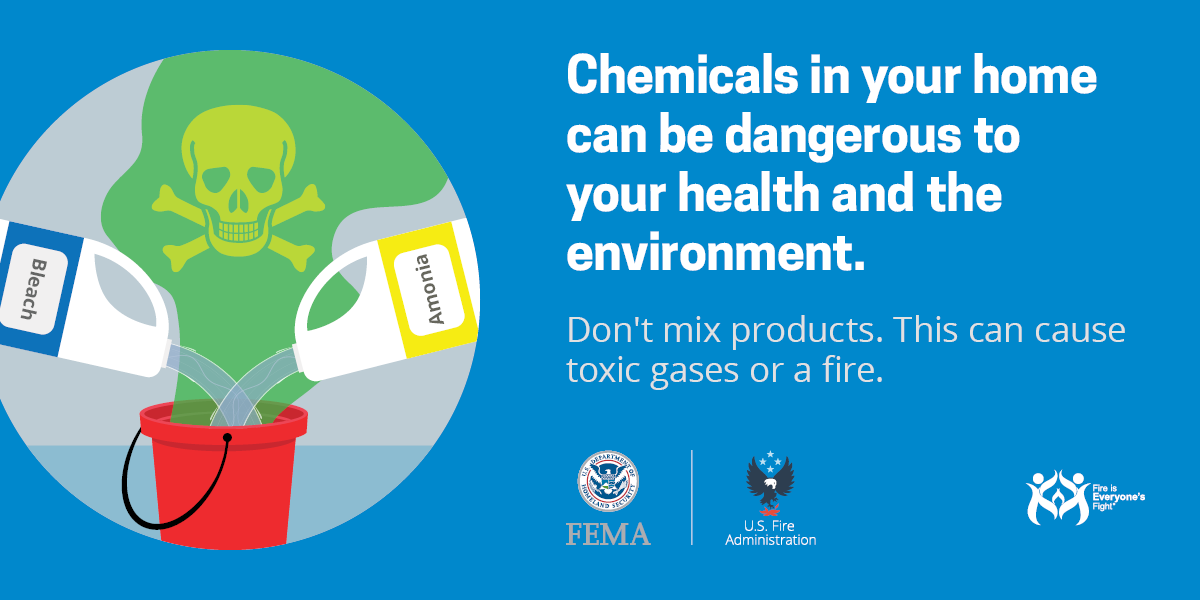
Chemicals and other hazardous materials used in homes can be dangerous to people's health and the environment.
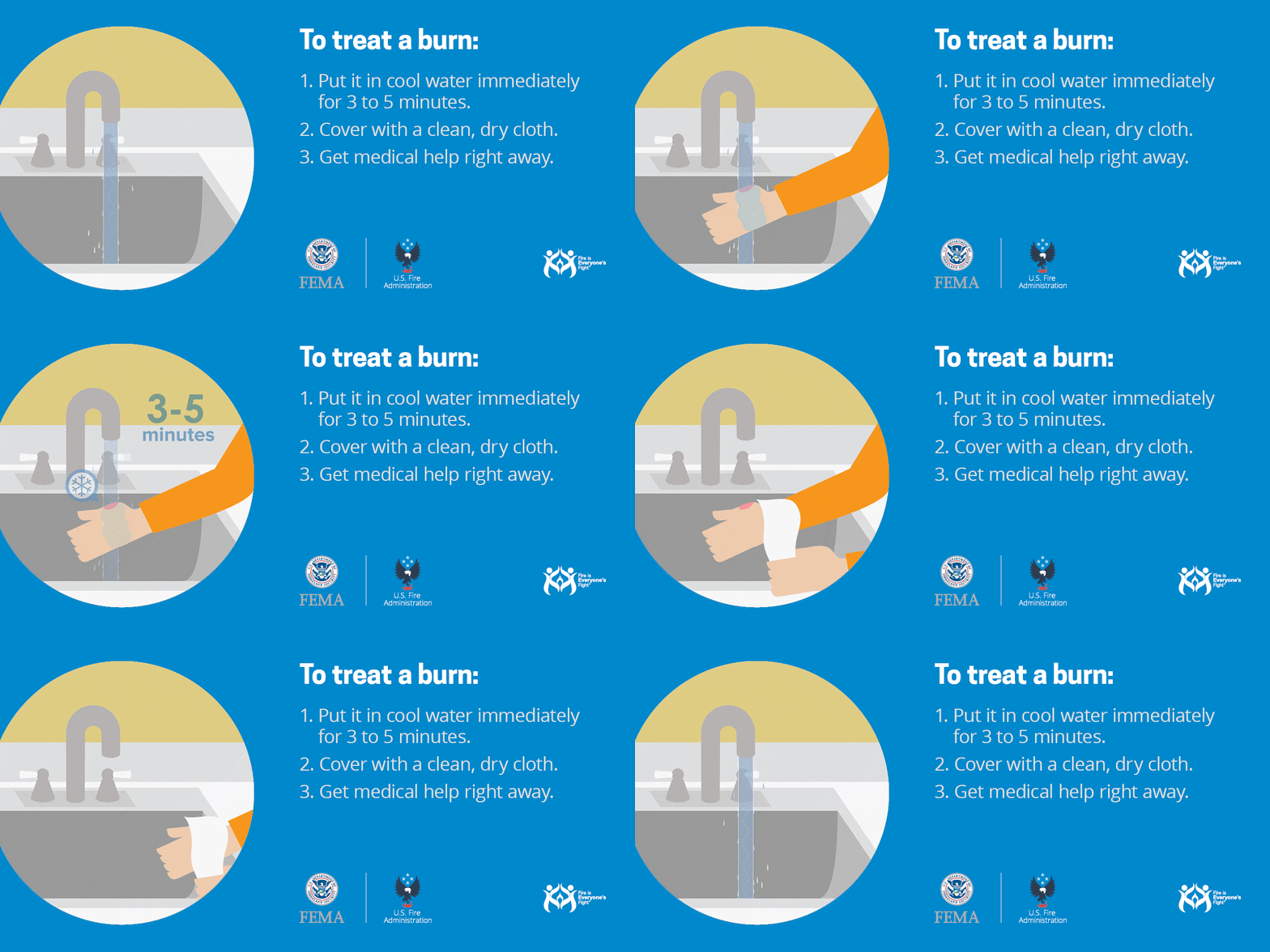
For some at-risk groups, like children, elders, handicap and people with disabilities, a fall, burn or scald can be a devastating injury. Drownings happen quickly and often they are silent. They are 100% preventable, but to prevent tragedies you must follow simple water safety steps.
Carbon monoxide, also known as CO₂, is called the “invisible killer" because it's a colorless, odorless, poisonous gas. CO₂ poisoning can occur when a fuel-burning appliance or machine, such as a furnace, heater or generator, is not working or vented properly.
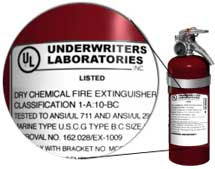
How big or small a fire can your extinguisher protect you from?
This information can be found by locating and reading your extinguisher label, the ones you own and operate, additional details below from USFA.
And what materials it was designed to extinguish
Every type of extinguisher has a classification label, as extinguishers are designed for specific fire types. So read your label before purchase to ensure it will cover the types of fire materials you install it to protect or comply with fire codes in Palo Alto, California.
There are five (5) primary types of fire extinguishers, each type of extinguisher is designed to put out different kinds fire.
To help understand, think of 5 primary classes of fire, we face in everyday life, depending on the "fire hazard" the material on fire, you may need a specific type of extinguisher to contain it.
The table below describes 5 primary Classes of Fire:
Class A fire extinguishers. For use with ordinary materials like cloth, wood and paper.
Class B fire extinguishers are made for use with combustible and flammable liquids like grease, gasoline, oil and oil-based paints.


Class C Fires
Class C fire extinguishers are made for use with electrical equipment like appliances, tools or other equipment that is plugged into an outlet. Class C fire extinguishers use an agent that doesn't conduct electricity.

Class D Fires
For use with flammable metals.
They are often found in factories, fulfillment centers, large warehouse, data centers.

Class K Fires
For use with vegetable oils, animal oils and fats in cooking appliances.
Often found in commercial kitchens (restaurants, cafeterias, catering businesses)
There are also multipurpose fire extinguishers that might be labeled "B-C" or "A-B-C" that can be used on most types of home fires. Most home improvement stores carry multipurpose fire extinguishers that cover Class A through Class C.
Remember the word P.A.S.S.
It's a good idea to train all building occupants and residents in Palo Alto, California to become familiar with how to use a portable and/or wheeled unit fire extinguisher.
Stakeholders and property owners in Palo Alto, California should invest in fire training, contact local fire departments to see if it is a program they offer currently. Another option is to contact fire extinguisher companies that offer certified fire extinguisher training courses.
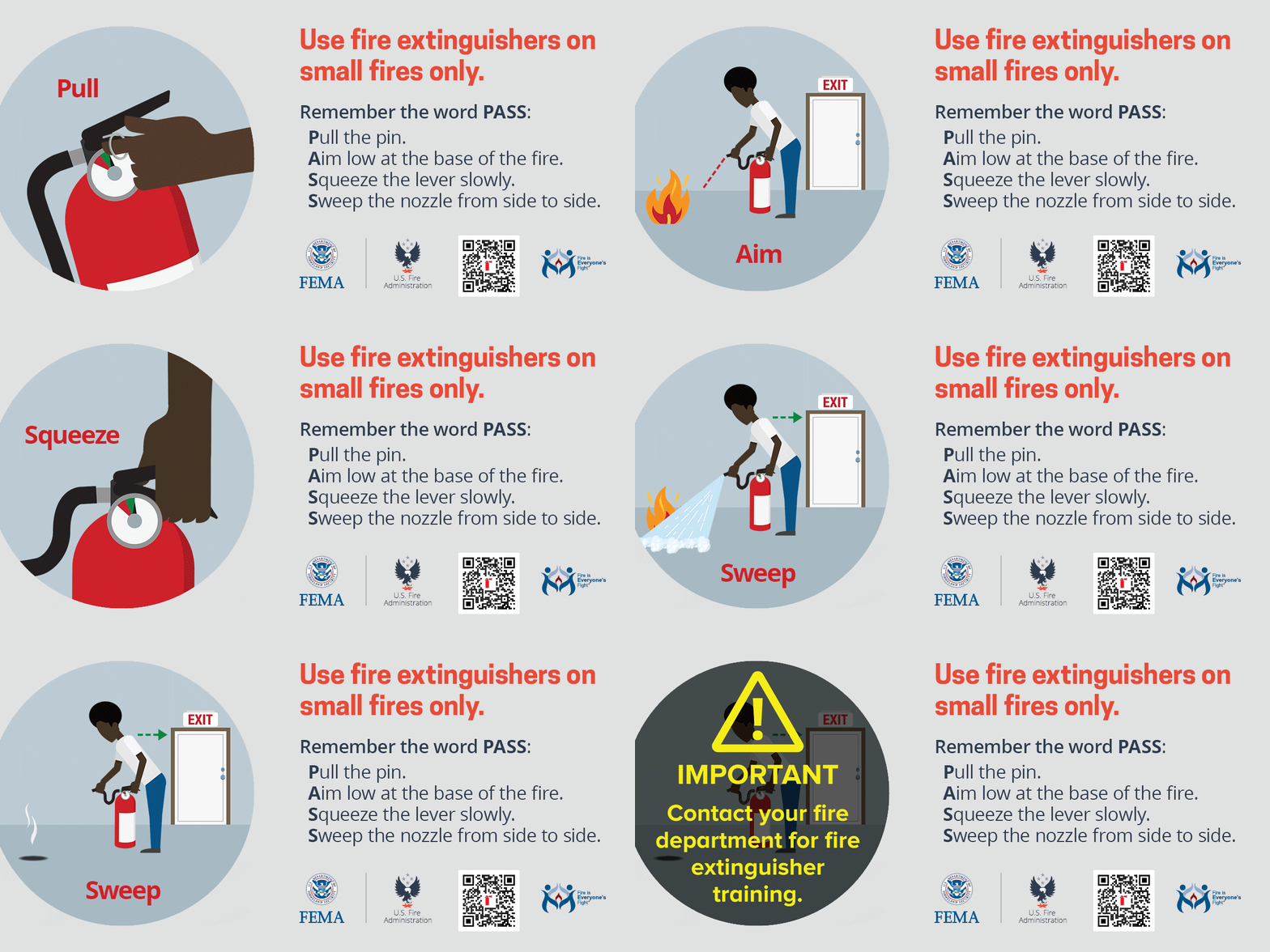
Use portable fire extinguishers on "Small Fires" only.
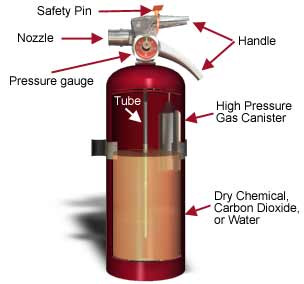
- Pull the pin. Hold the extinguisher with the nozzle pointing away from you and release the locking mechanism.
- Aim low. Point the extinguisher at the base of the fire.
- Squeeze the lever slowly and evenly.
- Sweep the nozzle from side-to-side. 🧯
Stakeholders and owners should collaborate and work together with local code officials and emergency responders before installing any fire protection systems (fire suppression, extinguisher, alarm, sprinkler or AES system).
Work together. When stakeholders and property owners work together, collaborate with code officials and emergency responders, they get a better understanding of how to protect building occupants and prepare safety measures, helping the companies that perform service to install, service or maintain fire protection systems understand the fire hazards and danger that need to be addressed.
This helps to improve the overall safety for all occupants and the community of Palo Alto, California.
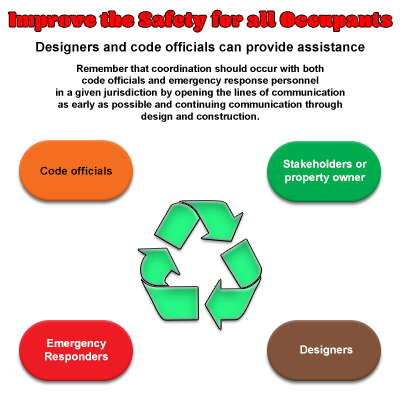
Stakeholders and property owners should work together with code officials, responders and designers in Palo Alto, California. Before installing fire protection equipment or devices always check with authorities having jurisdiction first (AHJ's).
General Requirements
General extinguisher requirements for stakeholders and business property owners in Palo Alto, California.
OSHA 1910.157(c)(1) The employer shall provide portable fire extinguishers and shall mount, locate and identify them so that they are readily accessible to employees without subjecting the employees to possible injury.
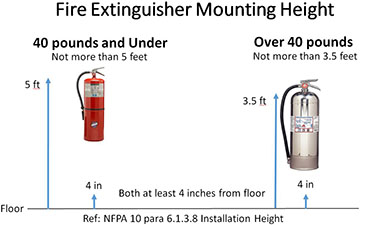
OSHA Portable Fire Extinguisher Emergency Standards
Selection and Distribution
Provide portable fire extinguishers for employee use. Select and distribute the extinguishers based on the types of anticipated workplace fires and on the size and degree of hazard that would affect their use. [29 CFR 1910.157(d)(1)], OSHA.
All fire extinguishers should be serviced according to manufacturer specifications, State Codes, Osha Portable Fire Extinguisher Standards and/or municipal fire code in Palo Alto, California.
Creating an annual service contract with a locally licensed fire extinguisher company, will help stakeholders and business owners comply with federal and local fire codes in Palo Alto, California.
If your service contract is maintained by a hard working extinguisher company, you probably will never see a fire code violation.
Should you ever see a fire code violation, maybe it's time to look for another extinguisher service contract provider. Use our list of local fire extinguisher companies, to help keep the travel times and distance shorter.
By shopping licensed extinguisher companies in Palo Alto, California you can obtain estimates that will detail the costs to install, service, repair, test, inspect, maintain, perform annual tags & certifications, provide the (6) six year teardown or hydrostatic testing when needed.
Extinguisher Service and ITM's
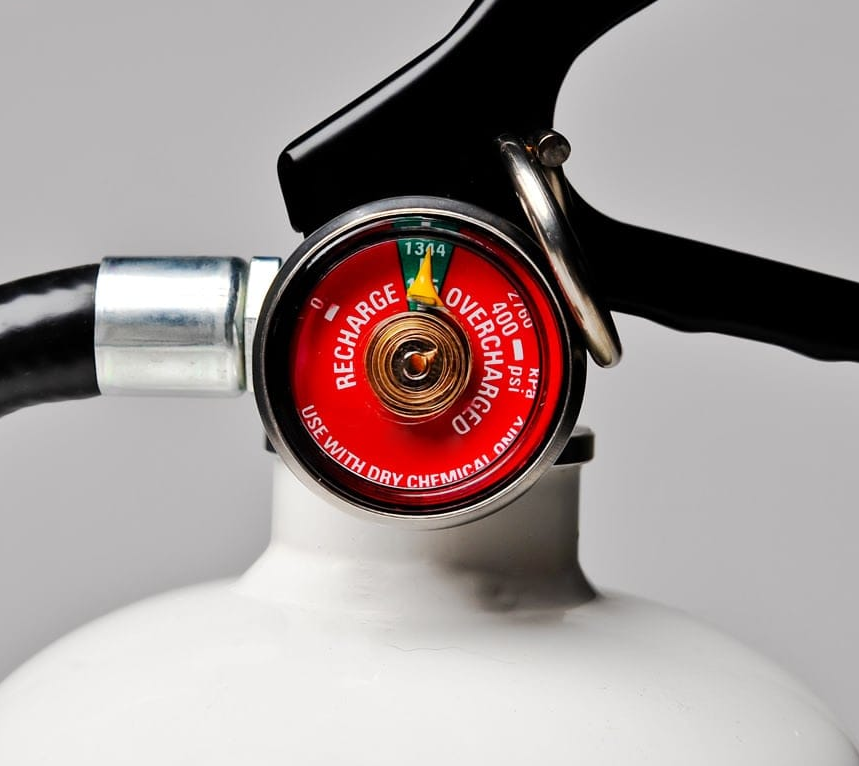
Fire extinguishers require service, inspections, hydrostatic testing, refill, recharge or replacement and/or a physical inspection that can issue the annual tag, once service complete. All extinguisher types require this service, including portable, wheeled or fixed unit, performed by licensed extinguisher company.
Extinguisher Service and ITM's
We now include free educational training tools, outreach materials, flyers, infographics, music and pictographs. To provide consistent fire prevention and life safety messages from USFA/FEMA, FEMA, Ready.gov and OSHA.
The updated websites now include wildfire and wildland community awareness messages and USFA/FEMA’s "Wildfire" and “Wildland Urban Interface”.
We remain dedicated to increasing community awareness for fire protection and life safety. Spreading our reach to rural villages and small towns to the largest metropolitan cities across America. Please bear with us in rebuilding this site, throughout towns and cities in America.
Top 🔝